Halloween has a rich and colorful history that dates back thousands of years. It all started with the ancient Celts, who celebrated a festival called Samhain. On the night of October 31, they believed that the boundary between the living and the dead was blurred. This was the time when spirits could roam freely on Earth. To honor this transition, people would light bonfires and wear costumes to ward off any wandering spirits.
As time went on, Halloween traditions began to evolve. When the Romans conquered Celtic territories, they added their own celebrations to the mix. One of these was Feralia, a day in late October when Romans honored deceased relatives. This blending of cultures helped shape what we know as Halloween today.
By the Middle Ages, Halloween was known as All Hallows' Eve, the night before All Saints' Day on November 1. People would go door-to-door, asking for food and drinks in exchange for prayers for the dead. This practice eventually turned into what we now call trick-or-treating. Over time, communities began to embrace Halloween with parties, games, and festive gatherings.
As Halloween made its way to America in the 19th century, it really took off. Immigrants brought their customs with them, and the celebration grew into a fun, spooky holiday filled with costumes, pumpkin carving, and candy. Today, Halloween is a time for friends and families to gather, dress up in creative costumes, and enjoy the thrill of all things eerie and fun.
How Pumpkins Became Halloween Icons
When you think of Halloween, what pops into your mind? Scary costumes, spooky decorations, and of course, those iconic orange pumpkins! But have you ever wondered how pumpkins became a symbol of this spooky season?
The tradition actually has roots that go way back to ancient times. The story of pumpkins and Halloween starts with the Celts, who celebrated Samhain. During this festival, they believed that the boundary between the living and dead was super thin. To ward off evil spirits, people carved turnips and put candles inside them. It was their way of lighting the way for friendly spirits while scaring off the not-so-friendly ones.
When Irish immigrants came to America, they found pumpkins growing everywhere. They quickly realized that these big, orange beauties were way easier to carve than turnips. Plus, they were bigger and could hold more light, making them perfect for spooky lanterns. This switch from turnips to pumpkins was a game-changer, and soon enough, the pumpkin became the go-to Halloween decoration.
Now, carving pumpkins, or "jack-o'-lanterns," is a beloved Halloween tradition. Families gather around to create their masterpieces, whether spooky or silly. You can light them up at night to add a warm glow to your doorstep or as part of your Halloween display. What’s not to love about pumpkins? They’ve become a staple of Halloween fun!
Costumes Through the Ages
Halloween costumes have evolved a lot over the years, reflecting changes in culture, traditions, and even technology. Let’s take a little journey through time to see how costumes have transformed and why they remain such a big part of Halloween fun.
In the early days, people wore simple disguises made from materials they had on hand. Many would dress as spirits or animals to ward off evil. These costumes were often homemade and had a personal touch. Imagine donning a basic ghost outfit made from a white sheet or some kind of animal fur to blend in with the mystique of the season!
As time went on, especially in the 19th century, costumes became more elaborate. The rise of the Victorian era brought a fascination with the supernatural, and people started wearing costumes inspired by literature and folklore. People began to embrace characters like vampires and witches, diving deeper into the dark but playful spirit of Halloween.
The real game-changer happened in the mid-20th century. That’s when mass-produced costumes hit the scene, making it easier for kids (and adults) to dress up. With fun options like superheroes and popular movie characters, costume choices exploded! Everyone wanted to be the coolest kid on the block with the best getup, and shopping became the norm ahead of the holiday.
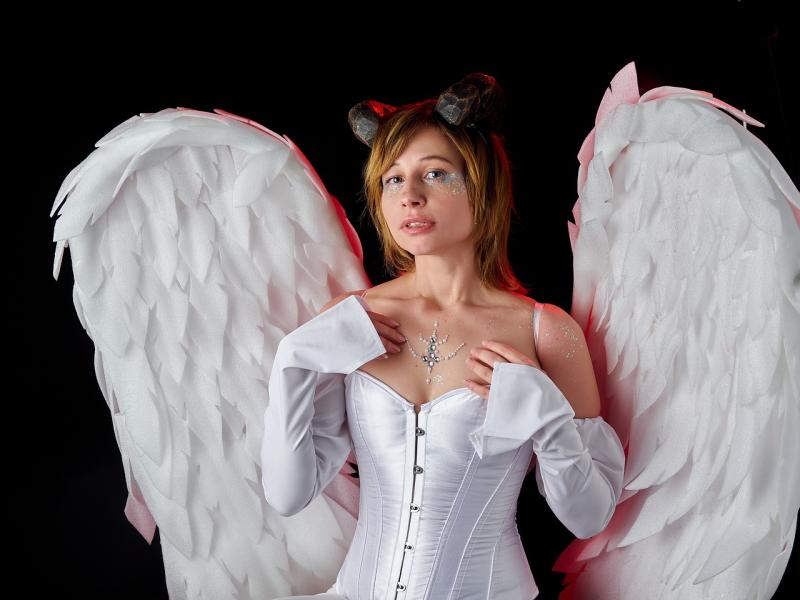
Today, costume choices are endless and can be as creative as you want. From classic outfits to the latest trends in pop culture, there’s something for everyone. You can mix and match styles, go for DIY creations, or grab something from the store. No matter what you choose, the excitement of picking out a costume still brings a thrill that connects us all to the festive history of Halloween.
Spooky Superstitions and Their Origins
Halloween is full of fun, but it’s also packed with spooky superstitions that go way back. It’s interesting to dig into the stories behind these beliefs. Some superstitions might give you a little chill, while others are just plain quirky. Let’s take a stroll through some of the most popular Halloween superstitions and their origins.
Ever heard that if you see a black cat, it’s bad luck? This idea dates back to the Middle Ages. Cats were often associated with witches, and many thought that black cats were actually witches in disguise. So, if you saw one, it was like a sign of a curse or misfortune approaching. Crazy, right? Nowadays, people love black cats, especially around Halloween, but the old tales sure started some gripping tales.
Then there’s the famous superstition of avoiding walking under ladders. This one has roots in the ancient Egyptians, who believed that a triangle was a sacred shape. A ladder forms a triangle when it leans against a wall, so passing under it was like disrespecting that sacred shape. Even today, many folks will take the long way around a ladder to avoid tempting fate.
And let’s not forget about breaking a mirror. The belief that this brings seven years of bad luck has been around for ages. This superstition likely comes from the ancient Romans, who believed that mirrors reflected more than just looks— they also showed the soul. Breaking a mirror was seen as damaging that connection, which might leave you with some bad vibes for a while. Seems a bit dramatic, but it sure gets attention!
Halloween mixes these superstitions into its festivities, adding a dash of mystery and fun to the holiday. Whether you think they’re silly or take them to heart, they certainly make the celebration that much more intriguing.